

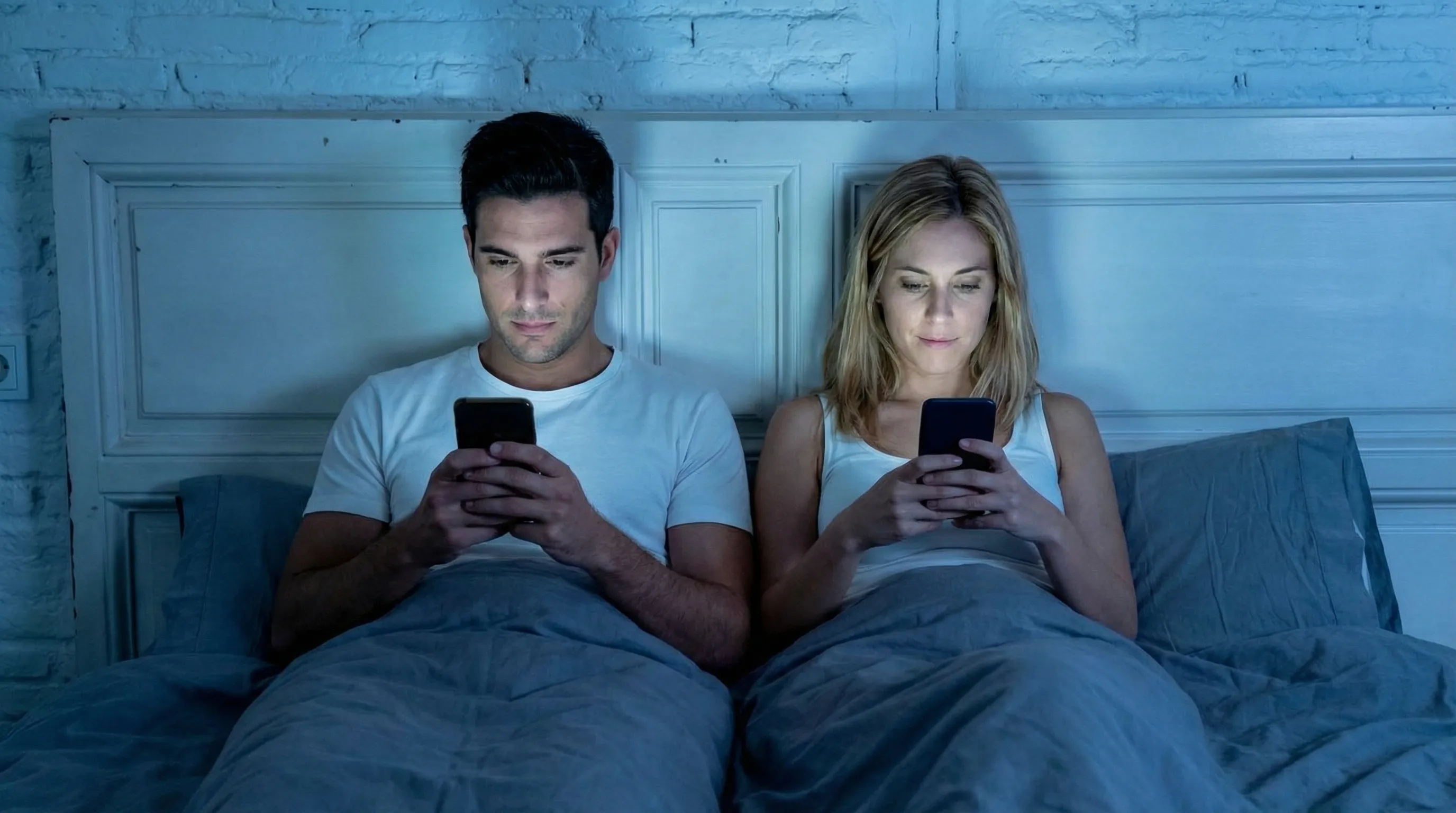
Screen time addiction does not happen because someone lacks self-control.
It happens because the systems people use are designed to create dependency. The apps, platforms, and devices that fill daily life are built to hold attention for as long as possible, using methods that exploit how the brain processes reward and habit.
Understanding what causes this addiction requires looking at both the design of the technology and the neurological responses it triggers.
The behavior is not random. It follows predictable patterns that are easy to recognize once the underlying mechanisms become clear.
How the Brain Creates Dependency on Screens
The foundation of screen time addiction is the dopamine system.
Dopamine is a neurotransmitter that signals reward and motivation. According to the National Institute on Drug Abuse, when the brain anticipates or receives something pleasurable, dopamine is released. This creates a feeling of satisfaction and reinforces the behavior that led to the reward.
Screens trigger dopamine release constantly. Each notification, new post, video autoplay, or message creates a small burst of dopamine. The reward is unpredictable, which makes it more powerful.
When rewards are guaranteed, the brain stops responding as strongly because there is no uncertainty. When rewards are unpredictable (sometimes interesting, sometimes boring, sometimes emotionally engaging), the brain stays alert and continues seeking the next potential reward.
This is the same mechanism that drives gambling addiction. As psychiatrist Anna Lembke explains in Dopamine Nation, the uncertainty keeps the behavior active even when most attempts produce nothing of value.
Why Apps Are Designed to Be Addictive
The way screens trigger dopamine is not accidental.
Most apps and platforms are designed using principles from behavioral psychology. As Nir Eyal documents in Hooked, these designs maximize engagement by making it as difficult as possible to stop using the app.
Infinite scroll removes natural stopping points. When content never ends, there is no moment where the brain can decide to move on. The next post appears automatically, which keeps attention locked in place.
Autoplay does the same thing for videos. When one video finishes, the next one starts immediately. The decision to stop watching requires active effort instead of happening naturally.
Variable rewards keep engagement high. Social media platforms show content algorithmically, which means each scroll might reveal something interesting or might not. The uncertainty keeps people scrolling longer than they would if the content were predictable.
Notifications create interruptions that pull attention back to the device. Even when someone is not actively using the phone, notifications remind the brain that something might be waiting. This builds anticipation and makes it harder to stay focused on anything else.
The Role of Habit Loops in Screen Time Addiction
Addiction is not just about dopamine. It is also about how habits form and reinforce themselves over time.
A habit loop has three parts: a cue, a routine, and a reward. This framework, popularized by Charles Duhigg in The Power of Habit, explains why screen use becomes automatic.
For screen time, the cue is usually a moment of boredom, stress, or transition. Someone finishes a task, feels uncomfortable, or simply has a few seconds with nothing to do. This moment triggers the routine: picking up the phone and opening an app.
The reward is the stimulation or distraction the screen provides. It does not need to be satisfying in a meaningful way. It just needs to fill the moment and provide something to focus on.
Over time, this loop becomes automatic. The cue triggers the routine without conscious thought. The brain no longer decides whether to pick up the phone. It simply does.
This is why screen time addiction feels compulsive. The behavior is not driven by a desire for something specific. It is driven by a habit that has become the default response to discomfort or inactivity.
Why Tolerance Builds Over Time
As screen time increases, the brain begins to adapt.
Dopamine receptors become less sensitive when they are overstimulated. This means the same amount of screen time produces less satisfaction over time. The brain needs more stimulation to achieve the same feeling of reward.
This creates a cycle where screen use increases without delivering the same level of satisfaction. Someone scrolls longer, checks their phone more often, and engages with content more frequently, but the behavior feels less rewarding than it once did.
At the same time, other activities that used to provide satisfaction begin to feel less engaging. The brain has adjusted to the high level of stimulation from screens, which makes slower, more effortful activities feel unrewarding by comparison.
This is why people who spend excessive time on screens often lose interest in hobbies, exercise, social interaction, and other activities that require more effort but provide deeper satisfaction.
That escalating usage adds up. The Screen Time Calculator shows what your current daily hours translate to in days per year and years of your life. The number makes the tolerance cycle harder to rationalize.
The Connection Between Stress and Screen Time Addiction
Screen time addiction does not develop in isolation from emotional state.
For many people, screens become a coping mechanism for managing stress, anxiety, or boredom. The device offers immediate relief from uncomfortable emotions, even if the relief is temporary.
This creates a feedback loop. Stress or discomfort triggers the urge to reach for the phone. The phone provides distraction, which temporarily reduces the discomfort. This reinforces the behavior, making it more likely to happen again the next time stress appears.
Over time, the brain begins to associate screen use with emotional regulation. The phone becomes the first response to any uncomfortable feeling, which prevents the development of healthier coping strategies.
This is one reason why reducing screen time feels so difficult. The behavior is not just about entertainment or curiosity. It is about managing emotions in the easiest way available.
Why Reducing Screen Time Does Not Address the Cause
Most advice about screen time addiction focuses on reduction.
Delete apps. Set time limits. Use blockers. These strategies assume the problem is access to the device.
In reality, the problem is the underlying cause: the brain’s need for stimulation, the absence of alternative rewards, and the habit loop that has made screen use automatic.
Restricting access without addressing these factors does not eliminate the addiction. It creates discomfort and craving without providing a better alternative.
This is why most attempts to cut back fail. The brain still expects the dopamine reward. The habit loop is still active. The stress or boredom that triggered the behavior is still present.
Lasting change requires replacing the habit with something that meets the same needs but supports well-being instead of undermining it.
What Breaks the Dopamine Cycle
Physical movement provides a different kind of dopamine release.
Exercise triggers dopamine naturally, but in a way that supports mental and physical health rather than creating dependency. The reward comes from completing an action, which creates a sense of accomplishment rather than the passive stimulation screens provide.
Movement also interrupts the habit loop. It provides a clear alternative to reaching for the phone during moments of boredom or discomfort. Instead of scrolling, the brain learns to expect movement as the response to those cues.
Over time, this shifts the dopamine system back toward healthier sources of reward. The brain begins responding to physical activity, social interaction, and meaningful tasks again, which reduces the pull of screens.
Making Movement the Entry Point
The challenge is not understanding that movement helps. The challenge is making it happen consistently when the addiction is already established.
This is where structure matters more than intention.
That idea is the foundation of Scrolletics.
Rather than asking people to resist the urge to scroll or replace screen time with something else, the app connects the two directly. Physical activity unlocks screen access. One rep earns one minute.
This changes the reward structure. The brain still gets the dopamine it expects from screen time, but only after completing an action that provides its own separate reward through movement.
Over time, this rewires the habit loop. The cue that used to trigger scrolling now triggers movement instead. Screen time becomes less automatic because it requires effort first.
The addiction does not disappear immediately, but the causes that drive it begin to weaken. The dopamine system rebalances. The habit loop changes. The emotional dependency on screens decreases.
When Understanding the Cause Changes the Outcome
Screen time addiction is not a personal failure.
It is the predictable result of systems designed to create dependency, combined with neurological responses that evolved long before screens existed.
Recognizing the cause does not solve the problem on its own, but it makes the solution clearer. The addiction is driven by dopamine, habit, and emotional regulation. Breaking it requires addressing all three.
Movement does that. It provides alternative dopamine, interrupts the habit loop, and offers a healthier way to manage discomfort.
If screen time has stopped feeling optional, understanding why it happened is the first step. Changing the system that allows it to continue is what creates lasting results.
Frequently Asked Questions
What causes screen time addiction?
Screen time addiction is caused by a combination of dopamine-driven reward systems, habit loops, and app design that exploits behavioral psychology. Apps use infinite scroll, variable rewards, and notifications to keep users engaged. Over time, the brain adapts to this constant stimulation, making other activities feel less rewarding and screen use feel compulsive. Learn more about the dopamine connection.
Is screen time addiction the same as drug addiction?
The mechanisms are similar but not identical. Both involve dopamine pathways and tolerance buildup. The National Institute on Drug Abuse notes that behavioral addictions activate the same reward circuits as substance addictions. However, screen time addiction does not involve a chemical substance, so the physical withdrawal is less severe, though the psychological patterns are comparable.
Can you break screen time addiction without therapy?
Many people can break screen time addiction through self-directed approaches: changing the environment, replacing the habit with physical movement, and building systems that make healthy choices automatic. Professional help is recommended when the addiction is causing significant problems in relationships, work, or mental health. For self-directed strategies, see our guide on screen time addiction treatment.
What is Scrolletics and how does it address the causes of screen addiction?
Scrolletics addresses the root causes of screen addiction by changing the reward structure. Instead of fighting the dopamine system, it redirects it. Physical exercises like push-ups, squats, or planks unlock screen time. Your phone counts reps automatically using on-device camera detection. One rep earns one minute. This rewires the habit loop so movement becomes the trigger for screen access instead of boredom or stress. No recording, no uploads, fully private.